The higher-output unit reflects growing pressure on AI server designers to manage heat, current and redundancy as power demands rise.
Operators of expanding AI data centres will be able to manage up to 100 environmental sensors through one system, with availability due in early 2027.
The move broadens access to its AI software for infrastructure operators, after Invertix raised €1.7 million in pre-seed funding and expanded beyond energy.
Active data makes up just 4.4% of enterprise storage, raising costs, security exposure and AI search quality concerns for firms.
The move could help the workforce solutions provider stretch existing flash capacity across production, backup and disaster recovery as data grows.
The additions give data centre operators in central Washington and north Seattle more resilient links as AI-driven demand raises the bar for connectivity.
Operators under pressure to curb AI-driven power and water use will see Danfoss pitch cooling kit aimed at cleaner, more reliable data centres.
AI chipmakers can cut die-to-die link area, power and I/O by up to 50% as multi-die designs become harder to scale.
Enterprises struggling to move AI pilots into live systems now have a single layer for memory, governance and execution across models and clouds.
AI-related demand is set to boost HPE's networking growth, with the company now forecasting higher margins and USD $800 million in Juniper savings by 2028.
The move brings computing closer to customers as firms race to localise AI workloads and meet regional data rules.
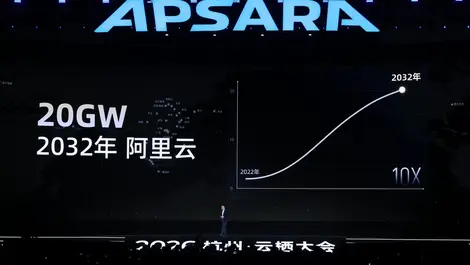
The new processor and Qwen model updates underscore Alibaba's bid to meet surging demand for AI training, inference and cloud services.
The recognition strengthens Commvault's position with cloud customers seeking automated backups and recovery tools for Amazon RDS and Aurora workloads.
The new service could cut analytics costs for firms hit by egress fees and the need to run separate storage and query systems.
The new software aims to curb token waste and improve answer quality as enterprises connect AI models to sprawling, unstructured file stores.
The deal gives AMD deeper access to spatial-intelligence research as chipmakers race to align hardware with fast-changing AI workloads.
Businesses could reduce storage bills as CTERA's new tool flags inactive files for archiving while keeping them available for AI and analytics.
The chip aims to ease power and cooling constraints for operators seeking AI systems with tighter supply chain control and domestic manufacturing.
Rushed closures can leave servers and networking gear with no buyer unless firms assess assets early and sanitise data first.
The seven-year pact gives Akamai a major anchor customer but also forces billions in upfront spending to secure AI cloud capacity.