


Anthropic signs SpaceX compute deal, boosts Claude limits
Fri, 8th May 2026
Anthropic has signed a compute agreement with SpaceX and increased usage limits for Claude Code and the Claude API. The deal gives Anthropic access to more than 300 megawatts of data-centre capacity at SpaceX's Colossus 1 site.
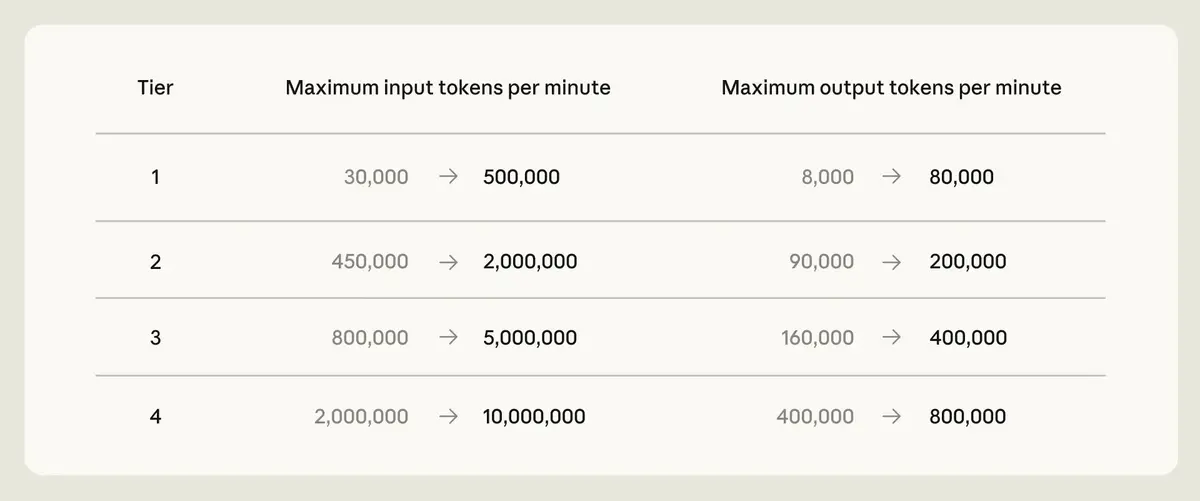
The usage limit changes took effect immediately for customers on paid plans. Anthropic is doubling Claude Code's five-hour rate limits for Pro, Max, Team and seat-based Enterprise plans, removing peak-hour limit reductions for Pro and Max accounts, and raising API rate limits for Claude Opus models.
The SpaceX arrangement covers all compute capacity at Colossus 1 and is expected to provide more than 220,000 Nvidia GPUs within a month. Anthropic said the added capacity would directly increase availability for Claude Pro and Claude Max subscribers.
Compute expansion
The agreement adds to a series of large infrastructure commitments as Anthropic seeks more computing resources to train and run its AI models. These include an agreement for up to 5 gigawatts with Amazon, including nearly 1 gigawatt of new capacity by the end of 2026; a 5 gigawatt agreement with Google and Broadcom expected to begin coming online in 2027; a partnership with Microsoft and Nvidia that includes USD $30 billion of Azure capacity; and a USD $50 billion investment in US AI infrastructure with Fluidstack.
Anthropic uses a mix of AI hardware, including AWS Trainium, Google TPUs and Nvidia GPUs, and is continuing to look for additional sources of compute capacity.
The announcement highlights how access to electricity, data-centre space and advanced chips has become a central competitive issue in the AI sector. Model developers have been striking large supply deals as demand grows from coding tools, chatbots and enterprise software products that require intensive computing resources.
For Anthropic, the higher usage limits address one of the most visible constraints for subscribers using Claude Code and the Claude API. Software developers and businesses that rely on sustained access to the company's models for coding work and other automated tasks are likely to watch the changes closely.
International build-out
Part of the capacity expansion will also take place outside the US. Anthropic pointed to demand from enterprise customers in regulated sectors such as financial services, healthcare and government, where in-region infrastructure is often required to meet compliance and data residency rules.
Its recent collaboration with Amazon includes additional inference capacity in Asia and Europe, suggesting the company is trying to expand not only raw compute supply but also the geographic distribution of the infrastructure used to serve customers.
Decisions on where to add capacity will focus on democratic countries with legal and regulatory systems that can support projects at this scale, as well as secure supply chains for hardware, networking and facilities. Anthropic presented that as part of a broader effort to choose locations suited to long-term infrastructure investment.
Anthropic also said it had expressed interest in working with SpaceX on multiple gigawatts of orbital AI compute capacity. It did not provide further details on what form that project might take or when any such system could be developed.
Energy questions
Alongside the infrastructure expansion, Anthropic reiterated its commitment to cover any consumer electricity price increases caused by its data centres in the US. It is also exploring ways to extend that approach to other jurisdictions as it expands internationally and is considering local investment in communities that host its facilities.
The statement reflects growing scrutiny of the energy demands created by AI infrastructure projects. Large data centres can strain local grids and have become a sensitive issue for policymakers, utilities and residents as technology groups race to secure enough power for new clusters of chips.