Carbon emissions stories
Lockdowns are set to cut CO2 emissions by at least 5% this year, but any climate gain could be erased unless stimulus backs cleaner growth.
Remote work, home schooling and digital healthcare could outlast the pandemic, reshaping cities, travel and emissions for years to come.
Billions in COVID-19 spending could be used to unlock projects, create jobs and speed New Zealand’s economic recovery, Infrastructure NZ says.
Youth, immigrants and urban Maori are most at risk as planners warn New Zealand must better reflect its diverse communities.
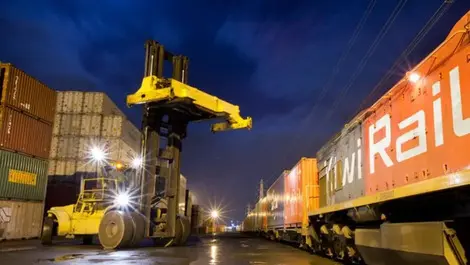
Freight in Northland will move by rail for the first time, after a NZD $109.7 million boost to reopen lines and build a terminal.
The material could cut construction emissions and reduce supply headaches by making blocks that heal themselves and use waste inputs.
Rising visitor numbers are putting New Zealand’s lakes, tracks and towns under strain, with a watchdog warning current policy will not curb damage.
Grid operators face mounting strain as battery electric vehicle demand is forecast to lift installed base above 100 million by 2029.
Britain could cut aviation emissions and landfill use as a planned waste-to-fuels plant near Immingham seeks approval, creating 130 jobs.
New draft carbon standards and a new expo zone will give New Zealand building owners practical steps towards net zero by 2050.
Families in Washington will soon have a third funeral option after state lawmakers approved transforming human remains into soil for gardens.
Flexible work could cut New Zealand’s CO2 emissions by 900,000 tonnes a year and add up to NZ$18.1 billion to the economy by 2030.
The Texas plant could help slash emissions from electricity generation if its carbon-capture system proves cheap enough for mass adoption.
The move will accelerate fleet electrification and could cut emissions, with Genesis already halfway to hybrid or electric light vehicles and adding chargers.
Reopening of the Main North Line helped lift KiwiRail's half-year revenue 12% to GBP £328.8 million and surplus to GBP £16.3 million.
The Lancet says obesity, undernutrition and climate change are linked costs weighing about USD $2 trillion a year on global health and productivity.
Shenzhen’s skyline is set for a new landmark, with the 701-metre tower poised to become the world’s third tallest building.
The new hub is expected to ease congestion, cut emissions and free up the city’s ageing freight yard for housing and business development.
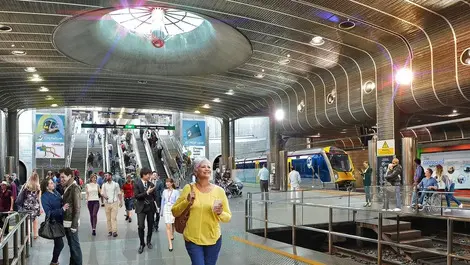
Auckland’s rail link has cut construction waste and emissions sharply, showing big infrastructure can hit sustainability targets while easing congestion.
Road freight operators say the new works will ease bottlenecks, but they want four-lane routes to match future traffic growth.