Critical Infrastructure stories
New research from Nozomi Networks has found hacktivists shifted their tactics in 2022 from data theft and DDoS attacks to using more destructive malware.
The mission critical communication market in APAC is expected to grow from US$3,894.55 million in 2022 to US$ 6,951.60 million by 2028.
John Shelnutt appointed as CEO of Fortress Solutions, succeeding Brendon Mills who resigned to pursue other opportunities. #executivemoves #FortressSolutions.
OpenText Security Solutions has launched Carbonite Cloud-to-Cloud Backup in Australia and New Zealand to protect data stored on third-party SaaS apps.
Vertiv introduces the new Vertiv Liebert APM Plus, a high-density, modular, and transformer-free UPS system with up to 97% efficiency.
Aqua Security launches Lightning Enforcer, an eBPF-based technology that provides real-time protection against zero-day attacks.
Pandemic drives critical infrastructure and digital-reliant organisations to increase cybersecurity, leading to rising costs.
The country code top-level domain of Aotearoa New Zealand - .nz - is now powered by the registry solution based on the CIRA Registry Platform.
Critical infrastructure industries around the world are still facing major challenges and gaps in their approach to protection and risk management.
Dragos appoints Hayley Turner as ANZ Regional Director and Ben Sullivan as Senior Channel Manager, strengthening its team and expanding its growth strategy.
Embracing change vital for a digitised future: water utility organisations must prepare for a digitised future by embracing cultural and technological changes.
Hamish Hansford contributed alongside a panel of cyber and personnel security leaders in a discussion that attracted about 200 guests in-person and online.
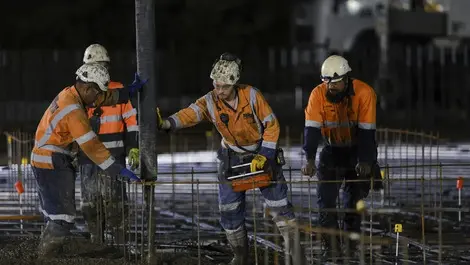
Water restrictions in Auckland may ease as a third reservoir moves ahead, with the $60 million project set to boost supply resilience.
Kordia and Tait Communications have been chosen by the New Zealand Government to deliver a secure digital radio communications network for emergency responders.
Communities could face stronger local democracy and more equitable funding as a draft review seeks submissions on council reforms.
The Australian government has implemented new legislation to address the increasing threat of cyberattacks on critical infrastructure.
New fibre optic data from Wellington’s quake has given responders far more precise readings of shaking across city blocks and buildings.
Lack of mandatory reporting for intellectual property (IP) theft leaves Australian industries vulnerable to cyber attacks and foreign competition.
Phishing and credential-harvesting attacks are rising as New Zealand climbs only to 56th globally, with 2,333 incidents reported in the quarter.
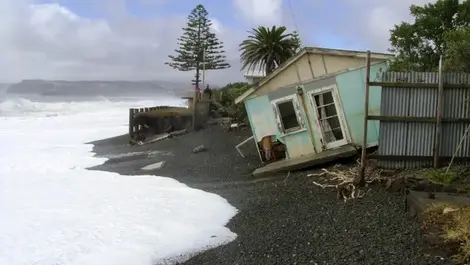
Experts say the government’s adaptation plan may leave councils and vulnerable communities exposed to worsening floods, heat and sea-level rise.