Infrastructure Investment stories
Major infrastructure projects frequently exceed initial cost estimates, but it is possible to develop and evolve, cost estimates with greater accuracy.
Untreated discharges, leakage and ageing assets are putting public health and the environment at risk, the water watchdog says.
Wellington landlords face higher vacancy and weaker rents as Budget 2026 triggers a public sector office shake-up and slower growth.
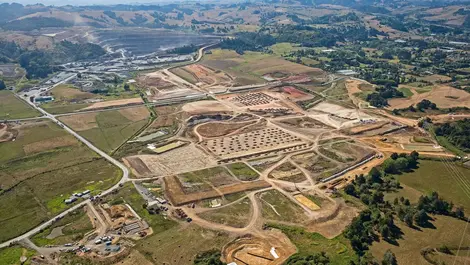
Auckland’s shortage of development-ready sites is driving industrial land to USD $1,190 a square metre, lifting costs for businesses and investors.
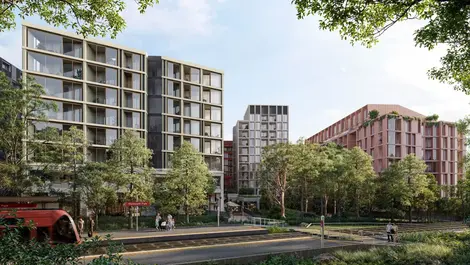
Developers are getting finance sooner as the scheme unlocks construction on more than 540 homes, with a further 300 in Sydney due to start.
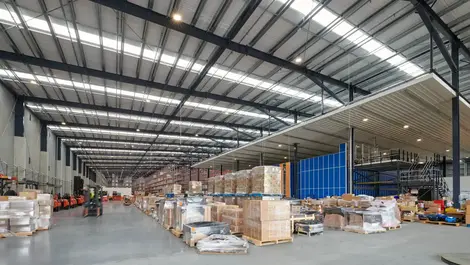
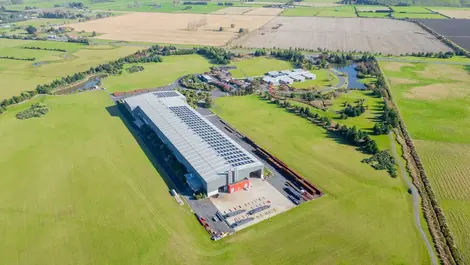
Stronger export volumes are forcing warehouses to go taller and smarter, with automated hubs helping ease land shortages and lift supply chain efficiency.
Its push into renewable energy and co-investment funds is set to broaden access to industrial assets while backing New Zealand growth.
Shared support from major parties at the New Zealand Infrastructure Investment Summit has raised hopes for a steadier project pipeline.
Lower borrowing costs and expiring term deposits could lift demand for commercial and residential property as investors hunt better returns.
The Indo-Pacific Partnership for Prosperity has launched a platform to address the $300 billion infrastructure investment gap in the Philippines.
Low vacancy and scarce small units are pushing Christchurch industrial rents higher, while slower demand for large sheds is creating rare sub-lease opportunities.
Lower interest rates and firmer buyer-seller pricing are expected to lift commercial property sales after a weak 2022-23.
One of the biggest challenges today is how the infrastructure industry can create a new energy future to become more efficient, affordable, and sustainable.
Uncertainty over tax and housing policy could briefly slow residential sales, though commercial activity is likely to stay driven by rates and inflation.
Critics say the overhaul could add bureaucracy and legal uncertainty, raising doubts it will ease New Zealand’s housing crisis.
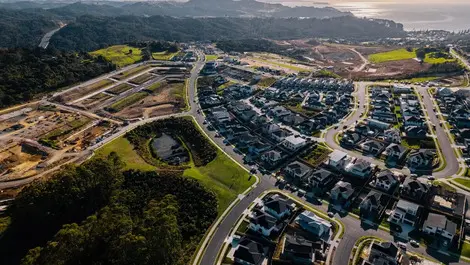
The funding leaves Auckland’s housing shortage still acute, but will unlock build-ready land for up to 16,000 homes across five suburbs.
New Zealand’s office, retail and industrial markets are expected to mirror Australia as Omicron peaks and border openings reshape demand.
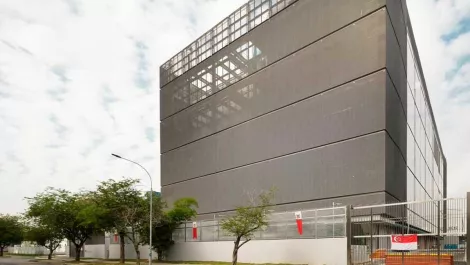
Investment fund behind Keppel Data Centers secures $1.1bn from investors, including Beijing-based investment bank.
Rising mortgage costs and tighter lending rules are expected to cool the market, even after values posted their first monthly acceleration in six months.
Vacancy rose across Auckland and Wellington offices, shops and warehouses in 2020, but low rates and investor demand kept yields firm.





.webp)