Liquid cooling stories
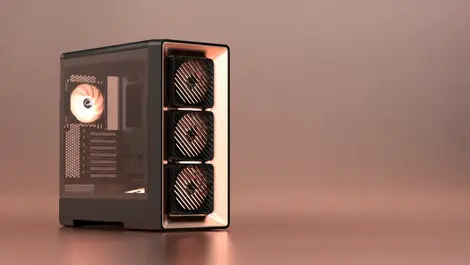
Built for enthusiasts with large graphics cards, the mid-tower starts at USD $89.99 and gives Formula V Line a first US retail foothold through Newegg.
Operators under pressure to curb AI-driven power and water use will see Danfoss pitch cooling kit aimed at cleaner, more reliable data centres.
European firms are gaining more locally controlled AI capacity, as the Oslo site is set to house 5 MW of liquid-cooled compute under regional jurisdiction.
Adoption has climbed to more than 6,500 customers as businesses shift from AI pilots to on-premise production and weigh rising costs.
More than 6,500 enterprises are now using the platform as Dell adds software, deskside systems and servers to help move AI from pilot to production.
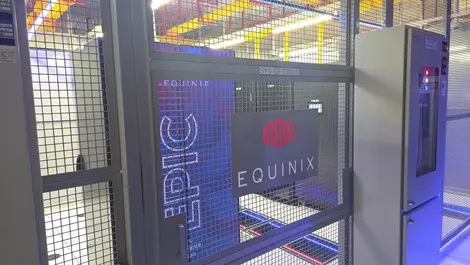
Enterprises can now test liquid-cooled AI systems in Sydney before committing to costly rollouts, as power and heat demands surge.
Enterprises racing to deploy AI systems can now test liquid cooling in live data centres before committing to large-scale infrastructure changes.
With a $3 trillion investment super cycle under way, labour shortages and weak leadership could slow the global AI data centre buildout.
The blueprint could give hyperscalers and enterprises a cheaper way to run agentic AI, with flexible CPU and GPU racks and open software.
Enterprises facing tougher AI security and operational demands can now choose four new systems built for inference, analytics and simulation.
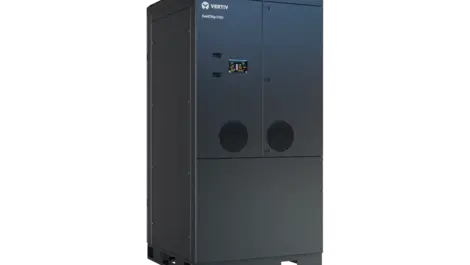
Operators can now pre-order a cooling unit that aims to reduce redesigns as GPU roadmaps shift and rack densities for AI servers keep rising.
The site will add about 22,000 square metres and create hundreds of jobs as demand rises for AI cooling and power gear across EMEA.
The new venture aims to speed up AI infrastructure builds by factory-testing modular systems before they are shipped to customer sites.
Rising demand for AI cooling is pushing the Korean group to add capacity in Virginia and South Korea with KRW 150 billion of investment.
The US cloud group is deepening its Asia push, with the Navi Mumbai site set to become a major base for AI workloads from mid-2028.
The update gives enterprise IT teams earlier warning of GPU and cooling faults that could throttle AI workloads or trigger outages.
Operators in Southeast Asia could speed AI capacity builds as Delta's modular system pairs liquid cooling with 800 VDC power for NVIDIA Vera Rubin.
The milestone underscores surging demand for liquid-cooled AI data centre operations as Salute builds its customer base in under a year.
The new range aims to help enterprises run AI inference and analytics on standard servers while adding stronger security and easier management.
The qualification gives Vertiv an early foothold in liquid cooling for AI data centres as operators face higher rack densities and power constraints.








.webp)



.webp)