

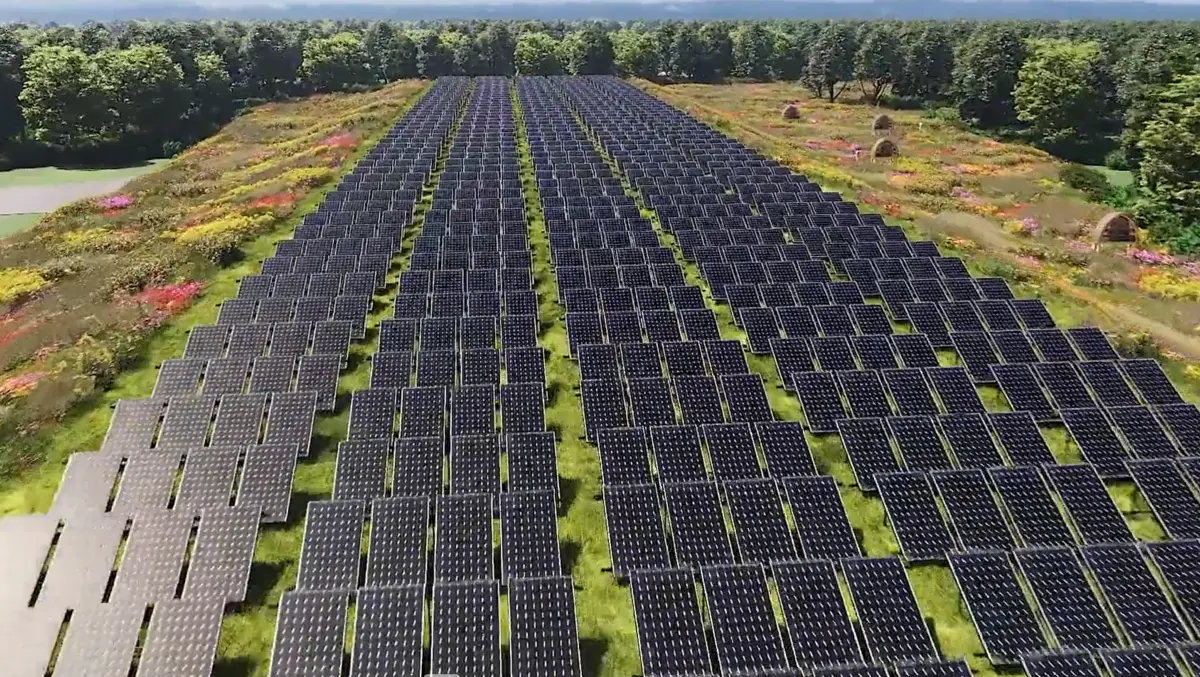
Renaissance unveils subterranean data centre design
Mon, 26th Oct 2026 (Today)
The Renaissance System has launched Renaissance, a subterranean data centre and building infrastructure design intended to operate without grid electricity or municipal water.
Aimed at large data centre projects, the design is planned as a licensed intellectual property system with professional engineering oversight and modular deployment.
Renaissance is presented as an alternative to conventional above-ground data centre buildings, which the company argues become more costly and harder to permit as sites scale up. It says the design could support up to 1,000 megawatts of IT load within a 30-acre footprint.
The system is designed to remove dependence on community power and water resources while reducing visible structures and noise. The company also says the subterranean approach would address vulnerabilities linked to severe weather, supply-chain disruption and attacks on critical infrastructure.
Design claims
According to the company, the system includes protection against drone attacks and electromagnetic pulse threats. It says the design provides level 3 EMP protection and exceeds military EMP standards by a factor of three to 10.
The company also says the design would avoid air pollution, water pollution and the need for stormwater ponds used to contain contaminants from fossil fuel and industrial activity. Those claims have not been field-verified, and the performance figures are described as design targets.
Renaissance has been mapped for use in Virginia, West Virginia, Tennessee, New Mexico and Texas. The company says its estimate of more than USD $100 billion in total cost of ownership savings over 30 years is based on the Virginia market, with higher savings projected further west.
Commercial plans
The company is targeting its first commercial agreements in Virginia in the first quarter of 2027, subject to investor negotiations and permitting. Founded in 2026, it says the system would be deployed with site-specific design and construction partners.
The launch comes as US data centre developers face rising scrutiny over electricity demand, water use, land consumption and the effect of large industrial buildings on nearby communities. Those concerns have become more pronounced as operators pursue larger campuses to support artificial intelligence and other compute-intensive workloads.
In describing the market, The Renaissance System criticised what it called "megabox" facilities and argued that fuel-cell-based approaches still leave communities with long-term gas infrastructure. It also rejected space-based approaches to computing infrastructure, saying maintenance constraints force oversupply of IT equipment.
A rating system is also planned to give communities and regulators a framework for assessing deployments of the company's intellectual property system. The company says the framework is intended to support consistency at local, state and national levels.
Channing Blackwell, P.E., linked the project to his family background and professional experience in construction and engineering.
"It was time for someone to step back and start clean. Living in the shadows of these dystopian, prison-like buildings, the environmental impact on the community is too great to stand by and do nothing about.
"Both my parents have influenced this endeavor. This work over the past twelve months is an ode to them. In the 1970s, at age twelve, I started working with my father, William Blackwell, P.E., on heavy construction sites in D.C. and the surrounding area. The Metro tunnels and deep shoring projects, along with many others such as the Vietnam Memorial, were formative training grounds in my early adulthood. Recognizing and designing this solution with our engineering team was a testament to my father's presence in all those surroundings.
"By merging my 50-plus years of engineering experience with my P.E. experience, we found a unifying, complete solution to help the community and, hopefully, start a conversation. My mother, Patricia Keel Blackwell, was instrumental in leading the grassroots campaign and lobbying Congress to keep Disney out of Haymarket. Her efforts aimed to reduce Route 66 congestion and preserve historic land.
"We believe in the benefits of construction and progress, but we must always do so mindfully and thoughtfully. Developers, builders and their engineers need to be responsible and accountable, and we leave behind what does not work. We have all benefited from community input.
"Our team created this so data centres can be in blue states and red states; I like to think of it as a purple design on American soil, providing American blue-state and red-state jobs and local revenue."
Blackwell said.